| Take Flight Tech Series • Part 4 |
Built Differently: Legacy Airframes vs. the Diamond
Most pilots in America learned to fly in airplanes designed decades ago—and in many cases, built decades ago. The average single-engine piston airplane in the U.S. is now more than 50 years old.
Those airplanes trained generations of pilots, and many still fly safely today. But aircraft design has come a long way since the 1960s and ’70s. In our first three Tech Series articles, we looked at the engine, the maintenance behind it, and the glass cockpit. This week, we’re looking at the structure that holds it all together.
Metal and Rivets vs. Composite
Traditional trainers are built from aluminum sheets riveted over a frame. It’s a proven method, but aluminum airframes are prone to corrosion and fatigue as they age—and inspecting for both becomes a bigger part of their maintenance over time.
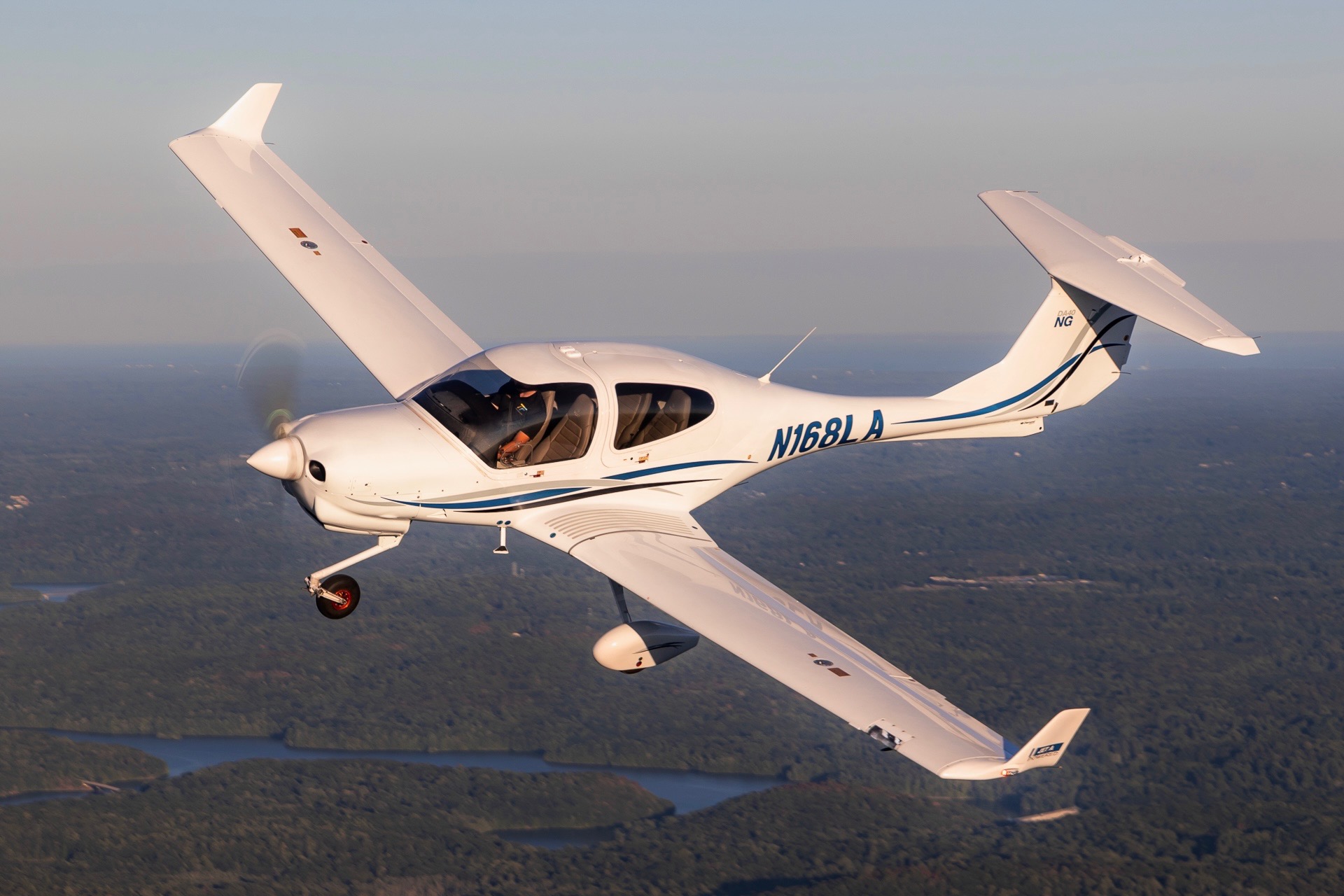
Diamond aircraft are built from composite materials: strong, lightweight, and smooth. Composites don’t corrode the way aluminum does, and the result is an airframe designed with modern engineering from the start.
Designed Around Safety
Diamond designed its airframes with occupant protection in mind, including a reinforced cabin structure around the pilot and passengers.
The flying qualities matter just as much. The DA40’s long, efficient wing gives it gentle, predictable stall behavior, and in one industry analysis, Aviation Consumer ranked its fatal accident rate among the lowest in general aviation.

Visibility You Notice Right Away
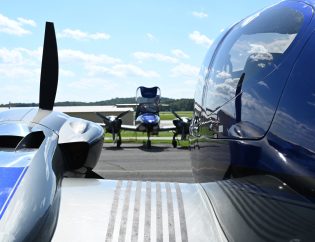
Climb into a Diamond for the first time and the canopy is the first thing most pilots mention. The wide, bubble-style canopy gives a nearly unobstructed view outside—something that matters when you’re learning to scan for traffic, fly a pattern, and find the runway.
Built for Training
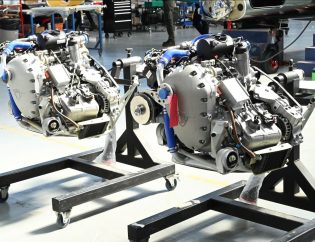
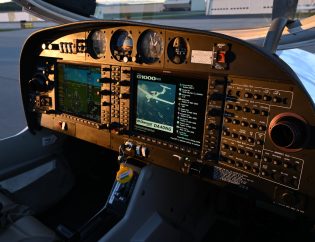
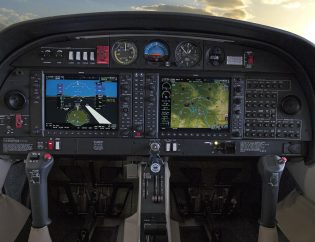
A training airplane flies more hours, more landings, and more students than almost any other aircraft. A modern airframe—paired with the Austro engine and Garmin avionics we covered earlier in this series—gives students a platform built for today’s training environment, not adapted to it.
Why We Chose Diamond
At Take Flight Aviation, we didn’t just add a few modern airplanes. We built our entire fleet around Diamond. As the only U.S. Factory Approved Diamond Training Center—and a Diamond Authorized Service Center—we fly, teach, and maintain these airplanes every day.
The best way to understand the difference is to fly one.
|
The Take Flight Team |
Schedule a Discovery Flight |
Explore the Professional Pilot Program |