| Professional Pilot Program |
Two students start flight training the same week. Same goals, same airplane, same motivation.
Six months later, one is a Certified Flight Instructor—building hours and getting paid to fly. The other is still working toward a checkride, re-flying lessons and wondering where the time and money went.
The difference usually isn’t talent. It’s how the training was built.
The Number Most People Compare
When prospective students shop for flight training, they usually compare hourly rates or the price on a website: aircraft rental, instructor time, maybe a package.
But that number is only an estimate. It assumes every lesson happens on schedule, skills build steadily from one flight to the next, and you pass every checkride the first time.
For many students, that’s not how it goes. What drives the final cost up is rarely the hourly rate. It’s the hours you didn’t plan on flying.
Where Training Really Gets Expensive
Gaps between lessons. When lessons are spread out, skills fade. Part of every lesson goes to getting back to where you were.
Cancelled lessons. No instructor, no airplane, a scheduling conflict. Each one pushes your finish date back and costs you momentum.
Waiting on a checkride. Examiner shortages have stretched checkride waits to weeks or even months in many areas. During that wait, students keep flying just to stay sharp.
Not being ready. A failed checkride means more training, another examiner fee, and more waiting.
None of these shows up on a rate sheet. All of them show up on the final bill.
Pricing That Reflects Real Training
Some schools quote prices built around the FAA minimum hours—a best-case number few students ever reach.
We don’t. Our pricing is based on what training realistically takes, so you can plan around a number that holds up instead of one that grows as you go.

What Keeps Training Moving
Students who finish on time and on budget usually have a few things in common:
| • | A structured syllabus, so every lesson builds on the last one, with a clear goal for each flight. |
| • | Consistent, scheduled flying, so skills build instead of fading between lessons. |
| • | Instructors and aircraft that are available, so lessons happen when they’re scheduled. |
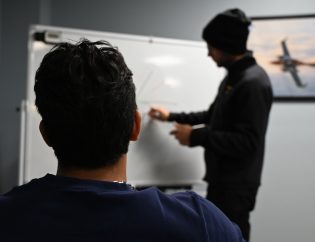
| • | Stage checks along the way, so students are ready before they ever meet an examiner. |
That’s how we built our Part 141 Professional Pilot Program: zero flight time to Certified Flight Instructor in as little as 6–9 months of full-time training.
The Results Speak for Themselves
At Take Flight Aviation, we conduct 175–200 checkrides a year with a 90%+ first-time pass rate.
That rate reflects preparation. Students arrive at their checkride ready, which means fewer retests, fewer delays, and less money spent repeating training.
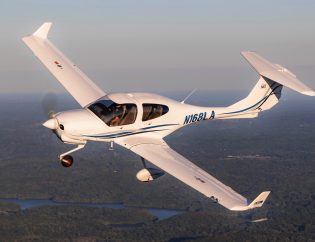
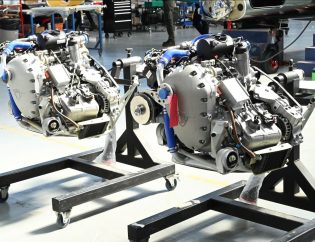
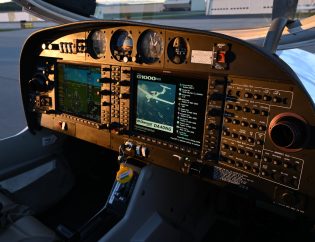
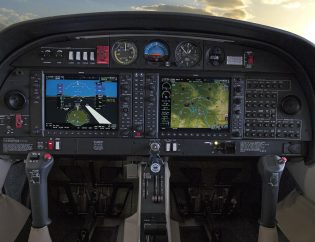
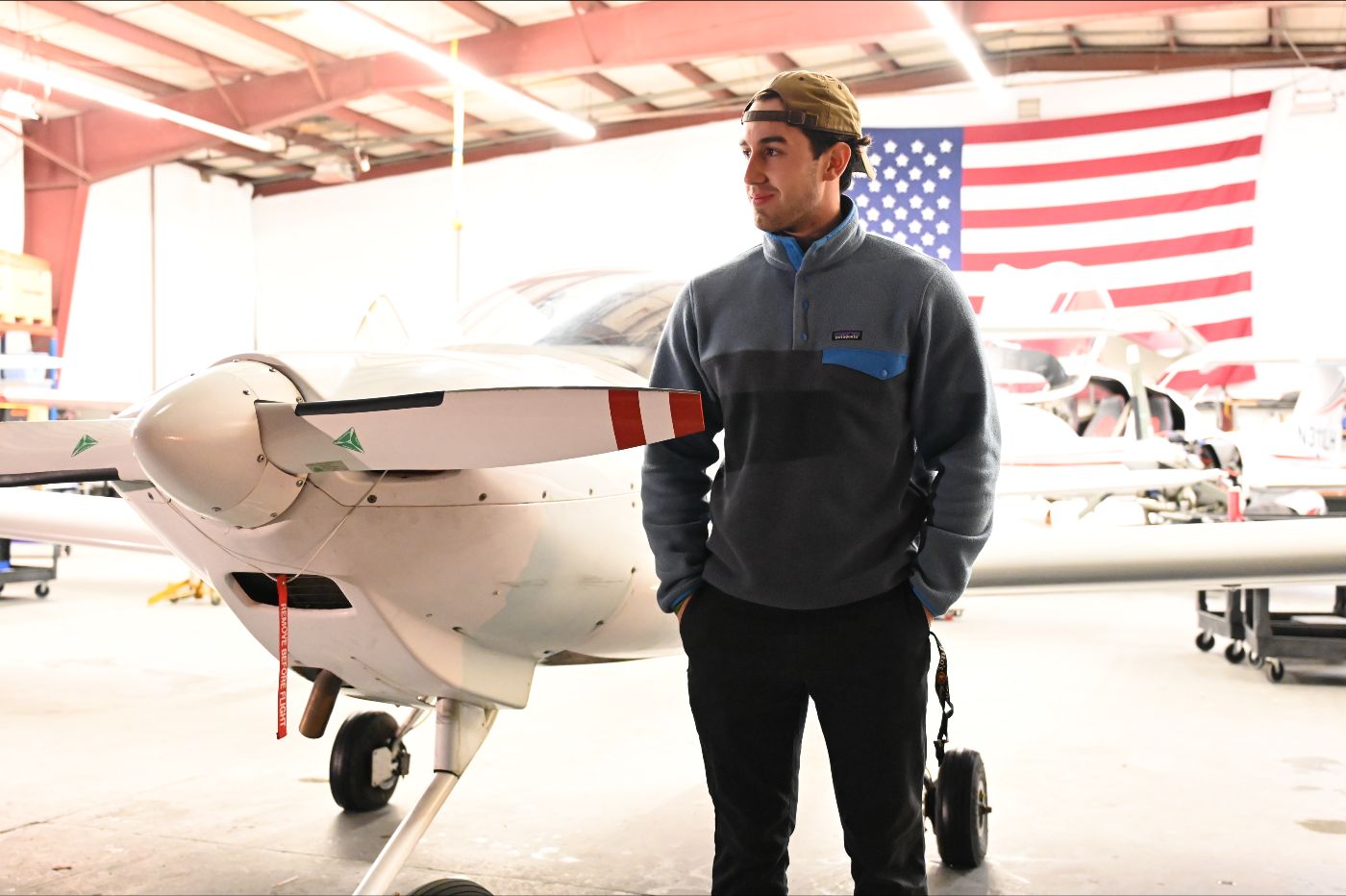
And because our instructors, our Diamond fleet, and our maintenance team are all under one roof, scheduling stays reliable and aircraft stay available.
Why Now?
Airlines are hiring. ATP Flight School reports its graduates’ airline hiring is running nearly 40% ahead of 2025, and major airlines expect 2027 to be just as strong.
The opportunity is real. What matters is how efficiently you get there.
Students who start this winter can be instructing and building hours while hiring stays strong.
Your First Step
Whether you’re starting from zero or picking back up where you left off, the right training plan can save you months and thousands of dollars.
Let’s talk about yours.
|
The Take Flight Team |
Schedule a Free Consultation |
Explore the Professional Pilot Program |