| Flight Training | |||||||||
Winter Flight Training: Keep Building When the Weather Changes
|
|||||||||
|
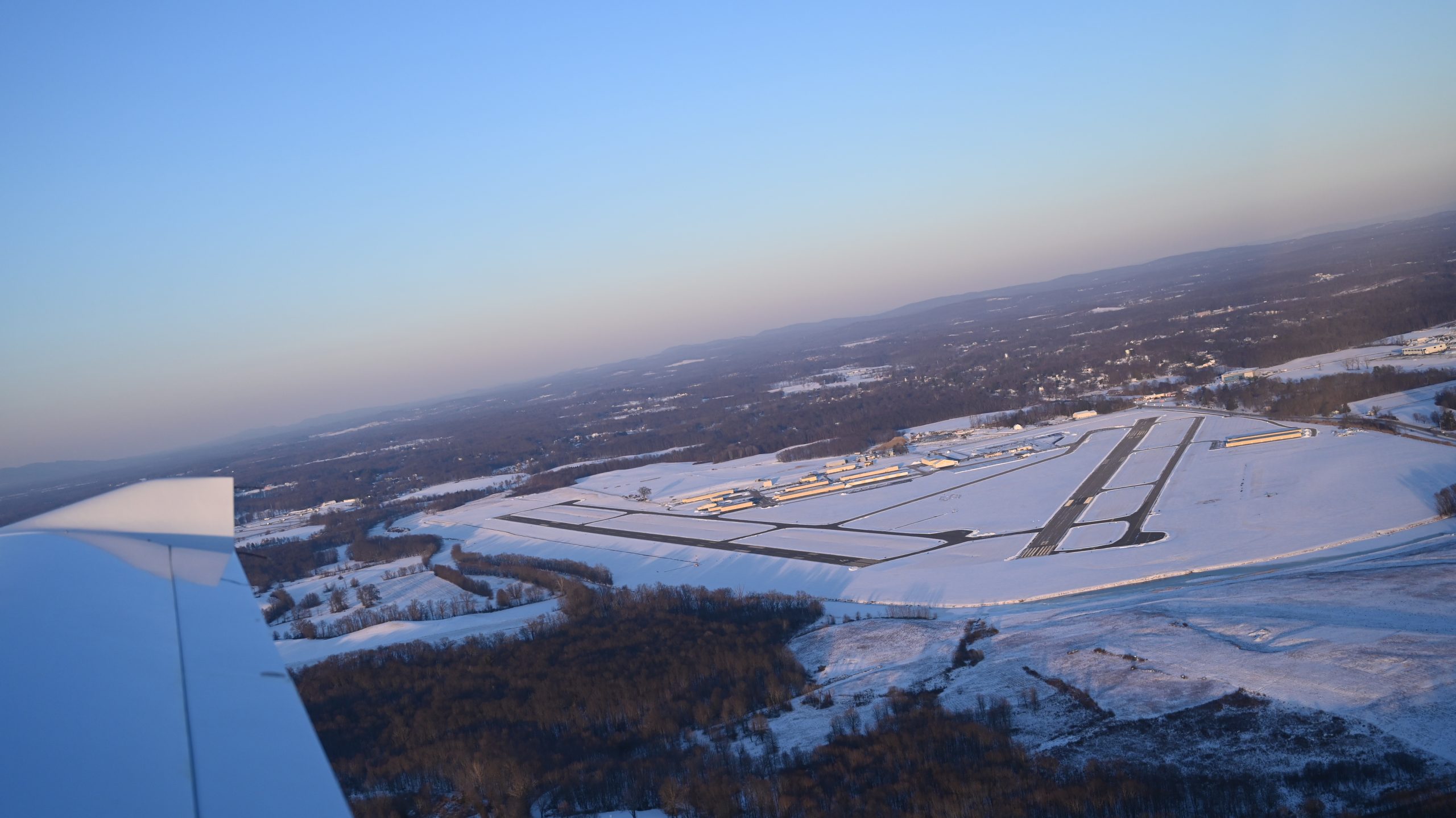
Winter can make a regular flight schedule harder to maintain. Shorter days, changing weather, and cold temperatures may affect whether a lesson can safely take place. The FAA highlights winter challenges that range from snow-obscured airport signs and cold aircraft interiors to snowstorms and icing.[1] A canceled flight does not have to mean a lost training day. A strong winter plan has two tracks: fly when the conditions, aircraft, and instructor support the lesson, and use a ground or simulator session when they do not. |
|||||||||
Plan Beyond the Departure Airport
|
|||||||||

|
|||||||||
Give the Aircraft a Careful Cold-Weather Inspection
|
|||||||||
Keep Learning When Flying Is Not the Right Call
|
|||||||||
Planning Winter Flight Training?
|
|||||||||
|
|||||||||
|
We’ve launched our new website to bring these services together in one place. Explore our programs and services, and see how we can support your next step. |
|||||||||
|
References and further reading [1] FAA — Winter Weather Resources [2] FAA — Make Your Winter Safety List, Check It Twice [3] FAA Aeronautical Information Manual — Potential Flight Hazards (Chapter 7, Section 6) [4] FAA Aeronautical Information Manual — Cold Temperature Operations (5-1-17) |
|||||||||
|
|||||||||
|
|||||||||
Home
/
Blog
/
Aviation Training Services
/
Winter Flight Training: Keep Building When the Weather Changes